
When choosing a furnace for your home, understanding Annual Fuel Utilization Efficiency (AFUE) ratings is crucial for both comfort and long-term savings. AFUE helps homeowners make informed decisions by measuring how efficiently a furnace converts fuel into usable heat. In this article, I’ll break down what AFUE means, how it’s calculated, what ratings are considered good, and how these numbers impact your comfort and budget.
What is an AFUE Rating?
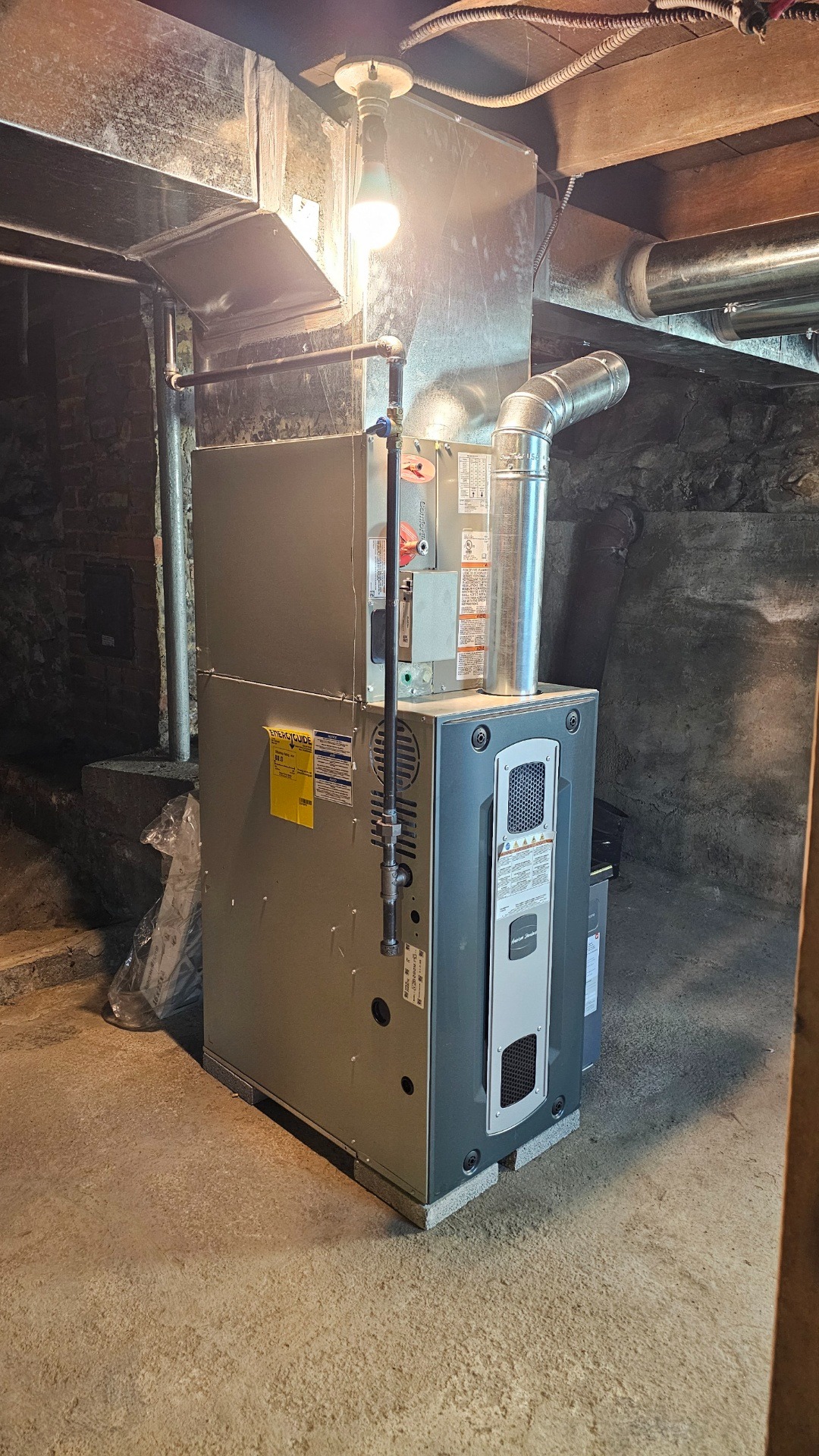
AFUE, short for Annual Fuel Utilization Efficiency, is the industry standard for assessing a furnace’s heating efficiency over an entire heating season. Expressed as a percentage, the AFUE rating tells you how much of the fuel consumed is converted into heat for your home versus how much escapes as waste. For example, a furnace with an 80% AFUE rating turns 80% of its energy input into heat, while the other 20% is lost through the exhaust or leaks.
How is AFUE Calculated?
To calculate AFUE, professionals compare the total annual heat output (measured in BTUs) to the total fuel energy input over the course of the year. The formula is as follows:
-
AFUE = (Annual Heat Output / Annual Energy Input) x 100
So, if a furnace provides 95 million BTUs of heat with 100 million BTUs of fuel input, its AFUE rating is 95%. This rating helps homeowners easily compare the efficiency of different furnace models.
What is a Good AFUE Rating?
AFUE ratings for modern furnaces typically fall into three categories:
-
Low Efficiency: Less than 80%
-
Mid Efficiency: 80% to 83%
-
High Efficiency: 90% to 98.5%
A higher AFUE percentage equates to greater efficiency and reduced energy waste. Newer federal regulations require new furnaces in northern climates to have at least 80% AFUE. However, most homeowners in colder regions benefit from considering high-efficiency systems, often above 90%, which can translate to significant savings on heating bills. For example, upgrading from an 80% to a 95% AFUE furnace means just 5 cents of every energy dollar spent is wasted compared to 20 cents with older, less efficient models.
The Real World Impact of AFUE on Comfort and Bills
Investing in a high-AFUE furnace typically means higher up-front costs due to more complex technology, like additional heat exchangers or condensing units. However, these systems:
-
Reduce monthly heating bills by wasting less fuel
-
Minimize environmental impact
-
Provide more consistent heating throughout your home
For households with older furnaces sometimes running at only 70% to 80% efficiency, the switch to a high-AFUE system can result in hundreds of dollars saved annually. Additionally, as energy prices continue rising, efficiency becomes an increasingly critical factor.
Other Considerations Beyond AFUE
While AFUE is essential, it’s not the only criterion worth evaluating. Keep in mind:
-
Your home’s ductwork, insulation, and climate all affect real-world performance.
-
Fuel source (natural gas, oil, propane, electricity) impacts both efficiency and operating costs.
-
Furnace installation quality ensures your new equipment operates at its peak potential.
-
Furnace repair and seasonal heating maintenance protect your investment and sustain high efficiency over time.
Get Help Choosing the Right Furnace in Burton, OH
Ready to Improve Your Home’s Heating Efficiency?
If you’re ready to upgrade your furnace or want to learn more about AFUE ratings, Patriot Heating and Cooling is here to help. Serving Burton, OH and the surrounding areas, our team offers expert furnace installation, repairs, and comprehensive heating maintenance solutions designed to keep your home comfortable and energy bills low. Call us at 440-350-1211 or fill out our convenient online form to schedule your personalized consultation.